It is 11 PM and you are scrolling on your phone. An ad shows a clever little gadget that peels garlic in three seconds flat. You tap, you buy, and two weeks later it arrives from across the world. Here is the part most buyers never think about: the store that sold it never touched that garlic peeler. The supplier handled all of it. That invisible business model is dropshipping, and in 2026 it remains one of the cheapest ways to start an online store.
But honesty first: dropshipping is not the push-button money machine of late-night ads. The easy version died years ago. What survives is a harder, smarter version — and this guide shows you exactly how it works, with real numbers and no fairy tales.
Dropshipping in 2026: Still Alive or Already Dead?
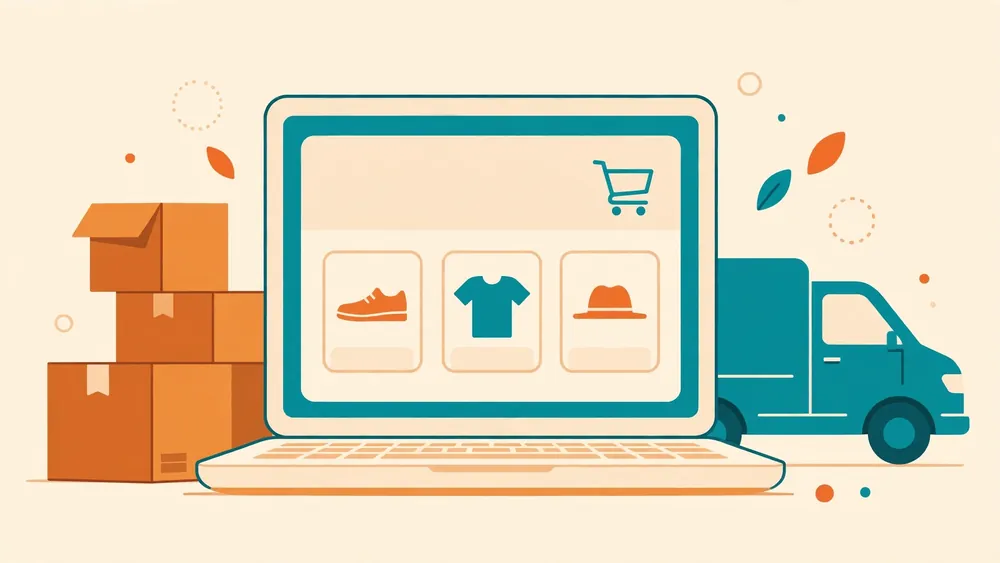
Dropshipping means selling products you do not stock. A customer orders from your store, you forward the order to a supplier, the supplier ships directly to the customer, and you keep the difference between the retail price and the supplier cost. Startup costs can stay under $200, which is why beginners keep choosing it.
So why do people call it dead? Because the lazy playbook stopped working. Listing the cheapest widget from a faraway supplier at a 5x markup and running the same ad as everyone else will lose you money in 2026. Competition is sharper, and customers have seen every generic gadget store before.
What works now is branded dropshipping: one niche, a store that feels like a real brand, original ad content, and customer service that surprises people. The stores making real money today do not look like dropshipping stores at all — and that is achievable for a beginner willing to do the work properly.
The Honest Numbers: What Beginners Really Earn
Vague promises help nobody, so here is what a first-time store typically looks like:
- Startup costs: $100–$300 for the store platform, a domain, and your first ad tests.
- Margins: aim for at least 3x markup — a product costing $8 should sell for $24–$30.
- Ad spend to first sale: most beginners spend $50–$150 testing before a winning product appears.
- Realistic first month: $0–$1,000 in revenue. Many first stores fail. That is tuition, not tragedy.
- A working store: 20–30% net margins after ads, fees, and refunds.
The uncomfortable truth: most first stores never turn a real profit. The winners treated store one as an experiment and kept testing. Budget for that and you will make calmer, smarter decisions.
Your Step-by-Step Launch Plan
- Pick one narrow niche. Not “fitness” — try “home workout gear for apartment dwellers.” A narrow niche makes ads, design, and product choices ten times easier. Spend a week researching: browse TikTok and Instagram for products with real engagement and note what people complain about in comments.
- Find 3–5 problem-solving products. The best ones share three traits: they solve a visible problem, they are hard to find in local stores, and they have a “wow” factor you can show in ten seconds of video. Avoid electronics, fragile items, and sized clothing for your first store.
- Choose a reliable supplier. AliExpress, CJ Dropshipping, or a private agent all work for beginners. Order samples to your own address first and check quality, packaging, and actual delivery time yourself. This single step separates serious sellers from everyone else.
- Build a clean niche store. Shopify is the easiest starting point. Your product page needs a benefit-driven headline, 3–5 short benefit bullets, real photos or video of the product in use, reviews, and a clear shipping and returns policy. A sloppy page kills conversions.
- Create original ad creatives. This is where most beginners fail — they reuse the supplier’s blurry photos. Film the product yourself with your phone, or use AI tools to generate polished product commercial videos that look professionally produced. In 2026, creative quality matters more than ad targeting.
- Run small paid tests. Start with $10–$20 per day on TikTok Ads or Meta Ads, testing 3–5 creatives per product for 3–4 days. Kill what gets no clicks, scale what does.
- Fulfill fast and communicate well. Automate order forwarding with apps like DSers, message customers proactively about shipping, and handle refunds gracefully. Great service turns one-time buyers into repeat buyers.
The Tools You’ll Actually Need (and the Ones You Can Skip)
The internet will try to sell you forty subscriptions. You need far fewer:
- Store platform: Shopify’s basic plan is the standard start. WooCommerce works if you are technical and want lower monthly costs.
- Domain: $10–$15 per year. Pick something brandable, not keyword-stuffed.
- Fulfillment app: DSers or your supplier platform’s built-in tools.
- Creative tools: your phone plus a free editor like CapCut. For product shots that look expensive without a studio, cinematic AI video prompts can give your footage a premium feel.
- Analytics: Shopify’s built-in reports plus your ad dashboards are enough at the start.
Skip for now: expensive spy tools, premium themes, logo designers, and any “guru course” over $50. You will learn more from $100 of ad tests than from any course.
7 Mistakes That Kill New Dropshipping Stores
- Copying supplier photos and descriptions. If your store looks identical to fifty others, customers have no reason to choose you.
- Pricing too low. A $12 product with $4 cost-per-click leaves you nothing. Sell products priced at $25 or more.
- Ignoring shipping times. State delivery times clearly — or use suppliers with 7–12 day delivery. Surprised customers become refund requests.
- Testing too many products at once. Test one hero product properly instead of five products badly.
- Quitting after $50 of ad spend. That is a coin flip, not a test. Budget $100–$150 per product test.
- No customer service. Answer emails within 24 hours. A store with no support looks like a scam.
- Chasing saturated “winning products.” If every YouTube channel featured it last month, the window has closed. Find your own angles.
Who Should Skip Dropshipping Entirely
Dropshipping is not for everyone, and admitting it saves you money. Skip it if you cannot afford to lose your starting budget — the first attempt often fails. Skip it if you hate talking to customers, because support emails are part of the job. And skip it if you need income next week; a working store usually takes 1–3 months. There is no shame in choosing a faster path, like freelancing, while you learn.
Quick-Start Checklist: Your First 30 Days
- Days 1–7: research your niche, shortlist 5 products, order samples.
- Days 8–14: build the store, write product pages, create 5+ ad creatives. Simple talking-head review videos convert remarkably well for problem-solving products.
- Days 15–21: launch ad tests at $10–$20/day and watch the data daily.
- Days 22–30: kill losers, scale the winner slightly, add abandoned-cart emails.
By day 30 you will know one of two things: a product worth scaling, or exactly what to do differently on store number two. Both are progress.
Dropshipping FAQs
How much money do I need to start?
$200–$500 is realistic: about $100 for the store and domain, the rest for samples and ad testing. Less is possible but makes testing painfully slow.
Is dropshipping legal?
Yes, completely. It is a standard retail fulfillment model. Pay your taxes, honor refunds, and never sell counterfeit or trademark-infringing products.
How long until I make money?
Beginners who stick with it usually see consistent sales within 1–3 months. Overnight results are marketing fiction.
Do I need a business license?
It depends on your country and region. Many start as sole proprietors and formalize once revenue grows. Check local rules before scaling.