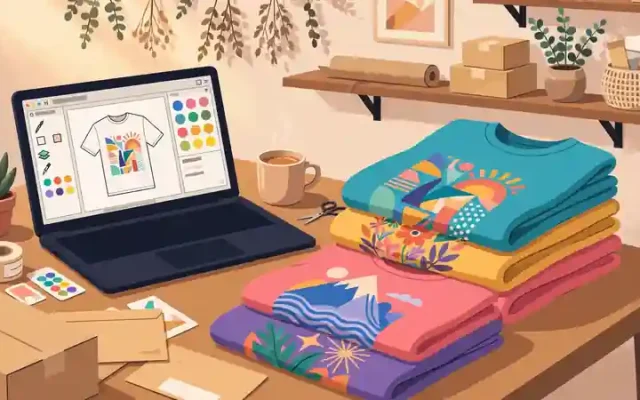

Picture this: a freelance thumbnail designer has a client deadline in three hours. The client wants a “cinematic neon portrait” for a YouTube video. The designer could spend the next hour trial-and-erroring prompts in Midjourney, burning credits and patience. Or she can spend four dollars on a tested prompt pack, paste it in, and have the image in thirty seconds.
She buys the pack.
Multiply that small transaction by thousands of designers, marketers, and creators every day, and you see the business hiding in plain sight: selling AI prompts. It will not make you rich overnight, but as a low-cost digital product you can start this weekend, it is one of the most accessible side hustles of 2026.
Why People Actually Pay for Prompts (The Market Is Very Much Alive)
The most common objection sounds like this: “Why would anyone pay for a prompt when they can just ask ChatGPT?” The answer is simple: people pay to skip the frustrating part.
Writing a mediocre prompt takes ten seconds. Writing one that reliably produces a professional headshot or a viral-style video takes hours of testing and wasted credits. Most buyers are not lazy; they are busy. A real estate agent, a teacher, or a podcaster would rather pay a few dollars for something proven than spend an evening learning prompt engineering.
The market has also matured. Early marketplaces were flooded with low-effort one-liners, and buyers learned to spot junk. Today they happily pay for tested prompt packs with example outputs and clear instructions. Quality won, which means the bar is “genuinely useful,” not “first to market.”
Demand clusters around photorealistic portraits, anime art, marketing creatives, video prompts for reels, and niche uses like product photography. If you can produce reliable, beautiful results in any of these lanes, you have something sellable.
Your 7-Step Launch Plan: From Zero to First Sale
Step 1: Pick one niche and own it. Do not sell “1000 random prompts.” Sell “50 cinematic portrait prompts for photographers.” A focused pack converts far better. Browse PromptBase and Etsy to see which niches have reviews and repeat sellers, then pick a lane where you can produce great outputs.
Step 2: Build a testing workflow. Your reputation depends on every prompt working as advertised. Generate at least three outputs per prompt, keep the best as examples, and note the exact tool and settings. If a prompt only works half the time, fix it or cut it.
Step 3: Package 20 to 50 prompts to start. Substantial enough to justify the price, small enough to finish in a week or two. For each prompt include the full text, 1 to 2 example images, and a short usage note (which tool, settings, variations). A clean PDF is perfectly fine.
Step 4: Create example outputs that sell. Your preview images are your storefront. Generate your ten best results and display them prominently. A pack of anime-style prompts becomes irresistible when buyers can see a transformation like turning an ordinary photo into a Studio Ghibli-style anime movie frame. Show, do not just tell.
Step 5: Price it between $4 and $29. Single-niche packs typically sell for $4 to $12; larger bundles or commercial-license packs go for $15 to $29. Start at the lower end to collect reviews, then raise prices as ratings grow. Avoid the $1 bargain bin; it signals low quality.
Step 6: List on two marketplaces. PromptBase is the dedicated prompt marketplace with built-in buyer traffic. Etsy brings enormous trust and search volume. Gumroad works well for your own storefront and email list. List on at least two so no single platform controls your income.
Step 7: Market with free content. Post your example outputs on Pinterest, Instagram, and X with a link to your listing. Short before-and-after videos perform extremely well, and one viral post can drive weeks of sales.
Where to Sell: Marketplaces vs. Your Own Store
Each sales channel has a different trade-off. PromptBase takes a 20 percent commission but puts you in front of buyers who arrived specifically to purchase prompts, and it lets customers test prompts before buying. Etsy charges listing and transaction fees but offers massive search traffic from non-technical buyers like teachers and small business owners, who are often the best customers.
Gumroad gives you the most control and lets you build an email list, but you bring your own traffic. Many sellers use a hybrid: marketplaces for discovery, Gumroad for bundles and repeat buyers.
What Prompt Sellers Actually Earn (Honest Numbers)
A focused seller with 3 to 5 quality packs typically reaches $100 to $500 per month within three to six months. Sellers with 15 or more packs plus a social media audience report $1,000 to $3,000 per month, largely passive after the initial creation work.
The top tier can exceed $5,000 per month, but that usually takes a year or more. Honest math: an excellent side income and a real business, but treat the first 90 days as an investment in learning and reviews, not a paycheck.
Mistakes That Kill Prompt Businesses Before They Start
Selling untested prompts. Nothing destroys a new store faster than one-star reviews saying “didn’t work.” Test everything on the exact tools you claim it works with.
Going too broad. “500 ultimate prompts for everything” screams low quality. Ten tightly themed packs will outsell one giant random bundle every time.
Ignoring commercial rights. State clearly whether buyers can use outputs commercially. A clear commercial license lets you charge more and avoids disputes.
Skipping the examples. Listings without preview images barely sell. Your example outputs are the product as far as the buyer is concerned.
Quitting after two weeks. Sales are slow for the first month or two, then reviews and search ranking compound. Prompt selling rewards patience.
Pro Tips From Sellers Who Made It Work
Bundle strategically: sell individual niche packs at $7, then offer a “complete collection” bundle at $29. Bundles dramatically raise your average order value. Update packs when new model versions release; a “v2 updated” relaunch can double lifetime sales. And niche down further than feels comfortable: a pack of professional LinkedIn headshot prompts outsells generic “portrait prompts” because the buyer knows exactly what they are getting. Specificity sells.
Finally, study what already works. Sites publishing detailed prompt breakdowns, like this cinematic movie-still selfie prompt or this Bollywood movie poster prompt, show you exactly which styles get attention. Your market research is free; use it.
Keep Reading
- Studio Ghibli AI Photo Prompt: Become the Star of Your Own Anime Movie
- Cyberpunk Neon AI Photo Prompt: Your Photo, Straight Out of the Future
- Cinematic Movie-Still AI Photo Prompt: Turn Your Selfie into a Hollywood Frame
- Professional Headshot AI Photo Prompt: A Studio LinkedIn Photo Without the Photoshoot
Prompt Business FAQs
Do I need to be a designer or artist to sell prompts?
No. You need to be good at getting consistent, high-quality outputs from AI tools and documenting exactly how you did it. Many top sellers have no art background; they are simply methodical testers.
Can buyers just resell my prompts?
Your terms should prohibit redistribution, though enforcement is difficult. Successful sellers compete on quality, updates, and brand trust rather than secrecy. Most buyers would rather pay a few dollars than hunt for pirated copies.
Which AI tools should I create prompts for?
Go where the buyers are: Midjourney and DALL-E for images, ChatGPT and Claude for text, Runway or Pika for video. Check each marketplace for the categories with the most active listings and reviews.
How long does it take to make the first sale?
With a quality pack, good previews, and social media promotion, most sellers see a first sale within 2 to 6 weeks. Without promotion it takes much longer, so do not skip the marketing step.