
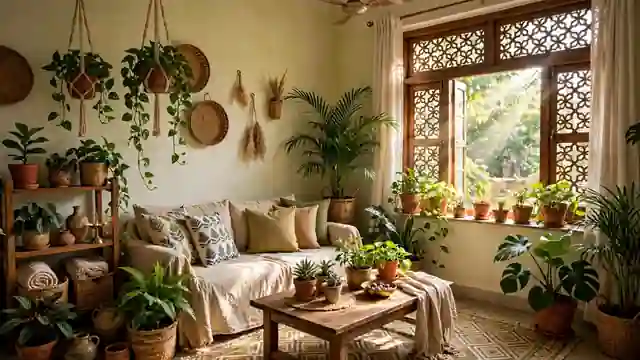
When the air outside turns grey every winter, the instinct is to bring nature indoors — and fill the house with plants that promise cleaner air. Indoor plants do make homes feel fresher, calmer, and more alive, and some can modestly improve indoor air by adding humidity and absorbing certain gases. But let us be honest upfront: no plant will fix pollution seeping in from a hazardous AQI day outside. Think of these ten as wonderful companions for your home — good for the mood, decent for the air in small ways, and beautiful all year — chosen for being easy to keep alive in Indian homes.
1. Snake Plant (Sansevieria)
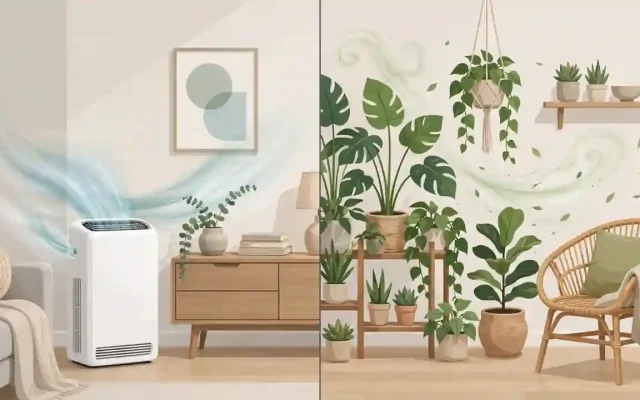
The undisputed champion of low-maintenance indoor greenery. The snake plant survives weeks of neglect, tolerates low light, and releases oxygen at night, which makes it a popular bedroom choice. It is nearly impossible to kill unless you overwater it — which is exactly what most beginners do. The honest downside: its air-cleaning effect in a real room is tiny, and the stiff leaves collect dust that needs wiping. Buy it for its toughness and sculptural looks, not as a pollution solution. If cleaner air is the real goal, read our honest comparison of air purifiers versus indoor plants.
2. Money Plant (Pothos)
India’s favourite indoor plant for good reason: it grows in water or soil, trails beautifully from shelves, and propagates so easily you will be gifting cuttings within months. It tolerates the low light of most Indian apartments and bounces back from missed waterings. The downside is that it is mildly toxic if chewed, so keep it away from curious toddlers and pets. It also grows fast enough to need regular trimming, or it will take over the shelf. A great starter plant that rewards almost zero effort.
3. Spider Plant
Cheerful, arching, and famously easy — the spider plant produces baby “spiderettes” you can pot and share. It handles indirect light well and tells you clearly when it is thirsty by drooping slightly, which makes it ideal for beginners learning plant care. The honest catch: brown leaf tips are extremely common, usually from hard tap water or dry air, and while harmless, they spoil the look. It is a lovely, forgiving plant — just do not expect it to measurably change your room’s air quality.
4. Peace Lily
Elegant white blooms in low light — the peace lily is one of the few indoor plants that actually flowers indoors, which makes it a favourite for living rooms. It likes consistent moisture and droops dramatically when thirsty, then perks up within hours of watering. The serious downside: it is toxic to cats, dogs, and humans if ingested, so homes with pets or small children should skip it or place it well out of reach. Beautiful, but choose the location carefully.
5. Areca Palm
If you want a plant with presence, the areca palm delivers — a cluster of feathery fronds that can grow several feet tall and genuinely change how a room feels. It adds noticeable humidity to dry winter indoor air, which is a real comfort benefit when heaters are running. The downside is scale: it needs bright indirect light and regular watering, and a mature plant demands floor space most small flats cannot spare. Buy small, and be realistic about how big it wants to become.
6. Aloe Vera
Practical as well as pretty — aloe vera’s gel soothes minor burns and skin irritation, giving this succulent a job beyond decoration. It loves bright light, needs very little water, and thrives on the neglect that kills fussier plants. The honest limitation: it is a desert plant, so it sulks in dark corners, and overwatering rots it faster than underwatering ever could. Keep it on your sunniest windowsill and water sparingly, and it will thrive for years.
7. Rubber Plant
Bold, glossy, architectural — the rubber plant makes a style statement with big dark leaves that wipe clean easily. It grows steadily in bright indirect light and tolerates the occasional missed watering. The downside: the milky sap irritates skin and is toxic to pets, so wear gloves when pruning and keep it away from animals. It can also grow into a small tree indoors, so plan for a large pot and some vertical space eventually.
8. Boston Fern
Lush, feathery, and old-fashioned in the best way — the Boston fern loves humidity, which makes bathrooms with natural light its happy place. It is one of the better plants for adding moisture to dry indoor air. The honest truth: it is thirstier and fussier than everything else on this list, dropping fronds dramatically when unhappy. If you want low-maintenance, pick the snake plant instead; choose the fern only if you enjoy the ritual of regular misting and watering.
9. ZZ Plant
The ZZ plant looks like it was designed for modern apartments: glossy leaves, upright stems, and a tolerance for low light that borders on supernatural. It stores water in its rhizomes, so missing a watering — or three — is no crisis. The downside is its slow growth; do not expect visible progress for months, which frustrates impatient plant parents. Also mildly toxic if chewed, so keep it from pets. Perfect for dark corners and forgetful owners.
10. Dracaena (Dragon Tree)
With its striped, sword-like leaves on slim trunks, dracaena brings a sculptural, almost tropical feel to living rooms and offices. It adapts to medium light, needs only moderate watering, and comes in many varieties to suit different spaces. The catch: it is sensitive to fluoride in tap water, which causes brown leaf tips — using filtered or rested water solves it. Also toxic to pets, so cat owners should look elsewhere. A handsome, undemanding plant once you sort the water.
How to choose the right plants for your home
Start with your light, not your wishlist. Bright windowsills suit aloe vera and succulents; dark corners need the snake plant or ZZ plant; bathrooms with light are perfect for ferns. Next, be honest about your habits: if you travel or forget watering, pick succulents and snake plants; if you enjoy daily plant care, ferns and peace lilies will reward you. Households with pets or toddlers must check toxicity first — peace lilies, rubber plants, dracaena, and ZZ plants are all best avoided or placed out of reach. Buy from a local nursery where you can inspect the plant, and remember that three healthy plants beat ten struggling ones. And keep expectations honest: plants make your home more beautiful and pleasant, which genuinely matters for wellbeing — but on days when the AQI outside is severe, no number of plants replaces keeping windows closed and, if needed, a proper air purifier. A simple morning AQI routine tells you exactly when to seal the house up and when it is safe to air it out.
The bottom line
The best indoor plant is the one you can keep alive. Start with a snake plant or money plant, learn the rhythm of watering and light, and expand from there. Enjoy them for what they truly offer — beauty, calm, humidity, and a small nudge toward fresher-feeling air — without expecting them to do a machine’s job. A home full of thriving plants is its own reward, pollution or not.
Keep Reading
- How to Check AQI and Plan Your Day Around Air Pollution in 8 Simple Steps
- Air Purifier vs Indoor Plants for Cleaner Air: An Honest Comparison Explained
- The Complete Beginner’s Guide to Understanding AQI and Air Pollution Levels
- 10 Practical Tips to Protect Your Family on High AQI Days at Home and Outdoors



One Comment